Address
304 North Cardinal
St. Dorchester Center, MA 02124
Work Hours
Monday to Friday: 7AM - 7PM
Weekend: 10AM - 5PM
Address
304 North Cardinal
St. Dorchester Center, MA 02124
Work Hours
Monday to Friday: 7AM - 7PM
Weekend: 10AM - 5PM
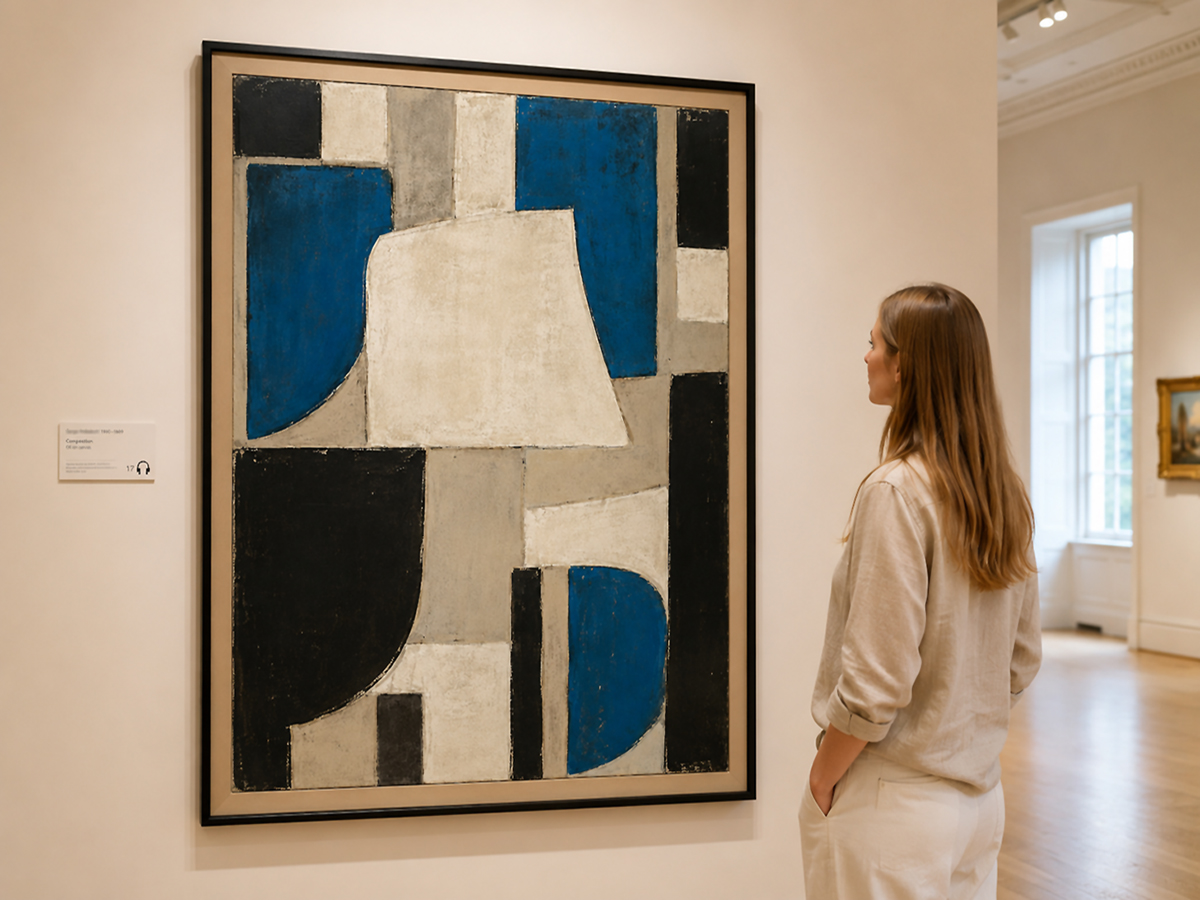
The history of modern art has been shaped by two simultaneous historical processes: the progressive dematerialization of the image through technological innovation and the persistence of materiality in artworks whose meaning remains inseparable from their physical existence.
Introduction
Never before has art been so profoundly transformed by technology.
During the past two centuries, photography, mechanical reproduction, film, digital media, and, more recently, artificial intelligence have progressively changed the ways images are created, reproduced, distributed, and experienced. Images that once existed only as part of a unique physical object can now circulate independently, reaching global audiences instantly and in virtually unlimited quantities. As technology has advanced, the image has become increasingly detached from the object that originally embodied it.
This transformation has shaped the history of modern and contemporary art. Walter Benjamin recognized the cultural consequences of mechanical reproduction and its effect on the uniqueness of the artwork. Marcel Duchamp expanded the definition of art by demonstrating that artistic meaning could extend beyond craftsmanship and traditional media. Gillo Dorfles examined the continuing importance of aesthetic objects within modern consumer culture. Together, these thinkers described different dimensions of one of the most significant cultural transformations of the modern era.
If technology has progressively separated images from the physical objects that once embodied them, why have material artworks remained central to artistic practice and collecting? Painters continue to work on canvas, sculptors continue to shape stone, wood, bronze, and other materials, museums continue to preserve physical works, and collectors continue to seek them despite having unlimited access to reproductions and digital images.
This essay argues that the history of modern art is best understood as the coexistence of two simultaneous historical processes. The first is the progressive dematerialization of the image through technological innovation. The second is the persistence of materiality in artworks whose meaning remains inseparable from their physical existence.
Throughout this essay, materiality refers to the condition in which the physical object is not merely the support of an image but an essential part of the artwork itself. Its surface, scale, texture, craftsmanship, and physical presence are inseparable from its artistic meaning. Unlike a reproducible image, a material artwork cannot be fully separated from the object that embodies it.
The purpose of this essay is to examine the relationship between technological innovation and the enduring significance of material artworks; it proposes a broader interpretation of modern art—one in which the dematerialization of images and the persistence of materiality have evolved together from the age of mechanical reproduction to the age of artificial intelligence.
For most of human history, the image and the object were inseparable. A painting existed only on its canvas, a drawing only on its sheet of paper, and a fresco only on the wall for which it was created. To experience the image required encountering the physical object itself.
Photography marked the first major break in this relationship. For the first time, an image could be captured mechanically and reproduced without requiring the artist’s hand. Mechanical printing extended this process, allowing images to circulate through books, newspapers, magazines, and exhibition catalogues far beyond the places where the original works were located.
During the twentieth century, film and television further detached images from their material support by making them dynamic, reproducible, and accessible to mass audiences. Digital technology accelerated this transformation. Images became files that could be copied, transmitted, modified, and stored without loss of quality, while the internet made them instantly available almost anywhere in the world.
Artificial intelligence represents the latest stage of this historical process. Unlike previous technologies, AI no longer depends on the reproduction of an existing image. It can generate entirely new images from written instructions, producing visual content that may never have existed in material form.
Across these successive developments, one historical pattern becomes clear. Technology has progressively reduced the dependence of images on physical objects. The image has become increasingly mobile, reproducible, and independent of the material form that once defined its existence. This process of dematerialization has transformed not only the circulation of images but also the ways in which art is created, experienced, and understood.
In 1935, Walter Benjamin published The Work of Art in the Age of Mechanical Reproduction, one of the most influential essays in modern art theory. Writing at a time when photography and film were reshaping visual culture, he recognized that mechanical reproduction represented more than a technical innovation; it marked a fundamental change in the relationship between the image and the artwork.
Benjamin’s central concept was the aura, the unique presence of an artwork in a particular place and time. The aura derives from the work’s singular existence, its history, and its physical authenticity. An original painting is not simply an image but a unique object whose meaning is inseparable from its material presence.
Mechanical reproduction altered this relationship by allowing images to circulate independently of the original work. As reproductions became increasingly accessible, the experience of art no longer depended on direct contact with the material object. Images could reach audiences on an unprecedented scale, changing both the social function of art and the way it was perceived.
Benjamin understood that this transformation brought significant cultural benefits. Reproduction democratized access to art, broadened education, and created new artistic possibilities through media such as photography and film. At the same time, it diminished the privileged position once occupied by the unique work of art.
Benjamin’s analysis was the first major attempt to explain the historical process described in the previous chapter. He identified the beginning of the dematerialization of the image and recognized that technological reproduction had permanently transformed the relationship between art, its audience, and the physical artwork itself.
If the history of modern art were defined only by the progressive dematerialization of the image, material artworks would gradually have lost their cultural relevance. The opposite has occurred.
Throughout the twentieth and twenty-first centuries, artists have continued to create paintings, drawings, sculptures, prints, and other works whose artistic meaning remains inseparable from their physical form. While new technologies have expanded the ways images can be produced and distributed, they have not displaced the practice of making material artworks.
The same continuity is evident in cultural institutions. Museums continue to preserve and exhibit physical works as irreplaceable objects, not merely as carriers of images. Their collections are valued for the material presence, historical continuity, and authorship embodied in each work.
Collectors have also maintained a strong commitment to material artworks. Although high-quality reproductions and digital images have become universally accessible, the demand for paintings, sculptures, and other physical works has remained a defining feature of the art world. The widespread availability of images has not eliminated the desire to acquire the objects themselves.
These observations reveal a second historical process that has developed alongside the dematerialization of the image. As technology increasingly separated images from their material support, the material artwork continued to occupy a distinct and enduring place within artistic practice, cultural institutions, and private collections. Explaining this persistence requires looking beyond technology to the nature of the artwork itself.
While Walter Benjamin explained how technology transformed the relationship between images and artworks, Marcel Duchamp challenged the boundaries of art itself. Through his readymades, he argued that an object could become art through the artist’s choice and the context in which it was presented, rather than through manual craftsmanship alone.
Duchamp’s ideas profoundly influenced twentieth-century art. Conceptual art, installation, performance, and other contemporary practices demonstrated that artistic meaning could reside in ideas, actions, and contexts as much as in traditional materials. The definition of art expanded beyond painting and sculpture without being limited by any single medium.
This expansion, however, did not render material artworks obsolete. Instead, it broadened the field of artistic practice by introducing new forms alongside existing ones. Painting, drawing, sculpture, and printmaking continued to develop while conceptual and experimental practices emerged as additional possibilities.
Duchamp’s legacy is therefore best understood as an expansion rather than a replacement. He transformed the question from What materials constitute art? to What conditions allow something to function as art? In doing so, he enlarged the territory of art without diminishing the significance of works whose meaning remains inseparable from their material existence.
The persistence of materiality cannot be explained simply by the continued use of canvas, paper, stone, or pigment. Materiality is not defined by the choice of medium but by the relationship between the artwork and its physical existence.
A material artwork is one in which the object is inseparable from the work itself. Its surface, texture, scale, weight, and craftsmanship are not secondary characteristics but essential components of its artistic meaning. The work cannot be fully experienced independently of the object that embodies it.
This distinguishes material artworks from images. An image may be reproduced, transmitted, or generated across different media while remaining substantially the same visual composition. A material artwork, however, derives part of its significance from the uniqueness of its physical presence. Its meaning is embodied in a specific object rather than existing independently of it.
Materiality also gives artworks a temporal dimension. Physical works bear the marks of their making and their history. They age, acquire provenance, and persist as tangible witnesses to the cultural and historical circumstances from which they emerged. Their material continuity connects artists, institutions, collectors, and future generations through the same physical object.
Materiality should therefore be understood not as the opposite of technology, but as a distinct condition of artistic existence. Technological innovation has progressively detached images from physical objects, while material artworks continue to derive their significance from the inseparable relationship between artistic meaning and material presence.
The persistence of materiality is ultimately reflected in the behavior of collectors. If artistic value resided only in images, reproductions, and digital files would often be sufficient. Yet collectors continue to seek paintings, sculptures, drawings, and other material artworks because they value the object as much as the appearance and meaning it embodies.
This relationship helps explain why material artworks retain their cultural significance. Their physical presence allows them to occupy a lasting place in everyday life, where they are experienced not as isolated images but as enduring objects that shape the spaces in which people live.
Gillo Dorfles argued that aesthetic objects play an important role within modern culture because they carry meanings that extend beyond practical function. Works of art are not simply things to be seen; they become part of the cultural environment through which individuals experience beauty, memory, and identity.
A complementary perspective is offered by Russell Belk, who proposed that meaningful possessions often become part of the extended self. A material artwork can express personal values, interests, and aspirations, while also marking significant moments in an individual’s life. Collecting is therefore more than an act of acquisition; it is a way of establishing a lasting relationship with objects that embody cultural and personal meaning.
From this perspective, the continued importance of material artworks is not an anomaly within an age of technological innovation. It reflects a persistent human desire to engage with objects whose artistic meaning remains inseparable from their physical existence.
7. Artificial Intelligence and the Future of Materiality
Artificial intelligence represents the most advanced stage in the historical process of image dematerialization. Unlike previous technologies, which reproduced or transmitted existing images, AI can generate entirely new ones from written instructions. The production of images is becoming increasingly independent of physical media, technical skill, and even direct observation.
This development expands the possibilities of artistic creation. AI enables new forms of visual expression, accelerates creative processes, and makes image production accessible to an unprecedented number of people. Like photography and digital media before it, it broadens the range of artistic tools without defining how they must be used.
At the same time, AI makes the distinction between images and material artworks more evident. As digital images become increasingly abundant, the qualities that define materiality—physical presence, craftsmanship, history, and embodied meaning—become more clearly identifiable. AI can generate images, but it does not eliminate the cultural significance of artworks whose meaning remains inseparable from their physical existence.
The future of art is therefore unlikely to be defined by the replacement of materiality with technology. Rather, it will continue to be shaped by the coexistence of two complementary developments: the ongoing dematerialization of images and the enduring importance of material artworks.
Leon Vitale
Kelowna, July 6, 2026